Business
10 November 2026
PolyNatural: turning nature into sustainable materials in Christchurch
Christchurch biotechnology company PolyNatural is replacing traditional plastics with biodegradable materials made from natural polymers, helping drive Canterbury's growing bioeconomy.

Bioeconomy
Naturally clever
What if the plastic clip holding a grapevine in place could simply disappear when its job was done? No collection, no landfill and, importantly, no microplastics left behind.
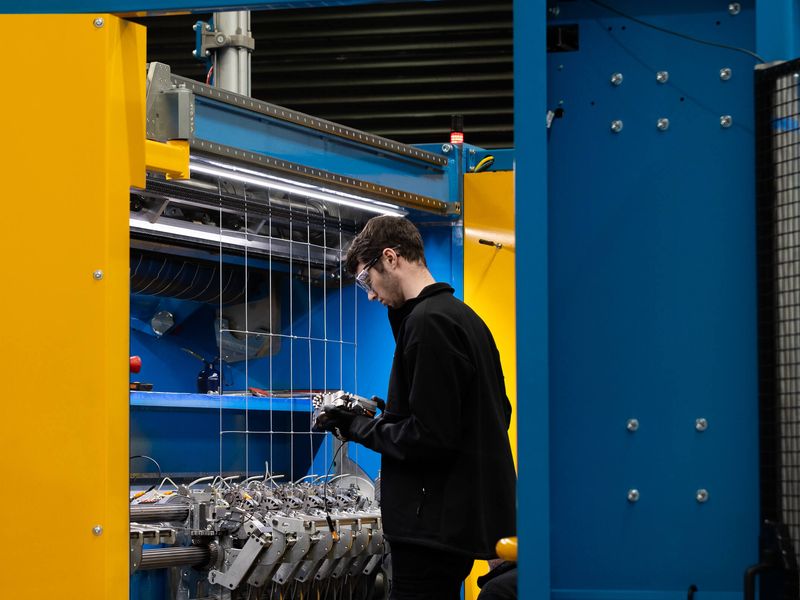
That's the thinking behind Christchurch biotechnology company PolyNatural, where a team of engineers and scientists are working with nature to create high-performance alternatives to traditional petrochemical products.
How PolyNatural is designing materials that work with nature
Its technology uses a family of naturally occurring polymers made through fermentation. At the end of a product's useful life, microorganisms can consume the material as an energy and carbon source, effectively returning it to nature.
“The technology behind this is quite different,” spokesperson Gareth Innes says. “What we’re actually mimicking is something that occurs in nature.”
The applications are wonderfully practical. PolyNatural’s range includes clips for viticulture, plant protectors for horticulture and forestry, and wool weed mats made using Canterbury wool.
The clever bit is making each product last exactly as long as it needs to.
A vine clip might need to break down relatively quickly, while a plant protector must withstand the elements for two or three years. Some products even outperform their traditional petrochemical equivalents.


Innovation driven by real-world needs
Getting there takes plenty of tinkering. One seemingly simple vine clip went through around 20 iterations, with growers providing real-world feedback on everything from strength to how easily workers could attach it.
“We will go to the absolute degree to ensure that the products are fit for purpose and that the end user gets a good user experience,” Gareth says.
This practical, problem-solving approach is helping create products that not only reduce environmental impacts but also work seamlessly within existing agricultural and horticultural systems.
Canterbury's bioeconomy at work
PolyNatural is part of a growing wave of Canterbury companies in the bioeconomy growth sector transforming natural resources into high-value products through science and innovation.
As New Zealand's largest agricultural region, Canterbury contributes around one fifth of the country's agricultural GDP and provides an ideal environment for companies developing new solutions across food, fibre and natural resource sectors. Supported by world-class research institutions, advanced manufacturing capability and a growing network of bioeconomy businesses, the region is increasingly recognised as a hub for sustainable innovation.
"PolyNatural demonstrates how Canterbury companies are applying science and biotechnology to solve real-world challenges. By replacing conventional plastic products with materials derived from natural biological processes, they're creating high-value solutions that meet growing global demand for more sustainable products. It's exactly the kind of innovation helping grow Canterbury's bioeconomy."Delis Fraser, ChristchurchNZ Head of Growth Sectors
How PolyNatural are turning waste into opportunity
There's another Canterbury connection hiding inside many of the products: coffee.
Silver skin, a waste by-product of coffee roasting, is incorporated into the material, giving microorganisms something else to consume when biodegradation begins.
It’s a neat example of one waste stream becoming part of another solution.
The approach highlights a key strength of the bioeconomy: finding new ways to create value from resources that might otherwise be discarded, while reducing reliance on fossil fuel-based materials.
Growing solutions from Christchurch
For Gareth, Christchurch has provided the ideal ecosystem for developing world-changing solutions, thanks to its innovative mindset.
As demand grows globally for sustainable and traceable products, companies like PolyNatural are showing how science, engineering and natural resources can come together to create commercially viable alternatives to traditional materials.
From vineyard clips to forestry products, the company's innovations demonstrate how Christchurch's bioeconomy is helping shape a more sustainable future, one product at a time.
Key takeaways
- Replacing plastics with biology – PolyNatural is developing biodegradable alternatives to conventional plastic products using naturally occurring polymers.
- Turning waste into value – The company incorporates Canterbury wool and coffee roasting by-products into high-performance products.
- Solving real industry challenges – From vineyard clips to forestry guards, PolyNatural designs products that perform in the field and biodegrade when their job is done.
- Bioeconomy innovation in Christchurch – PolyNatural showcases how Canterbury is transforming natural resources into sustainable, high-value products through science and biotechnology.
Don't miss a thing
Sign up to our newsletter to get valuable updates and news straight to your inbox.


Share